


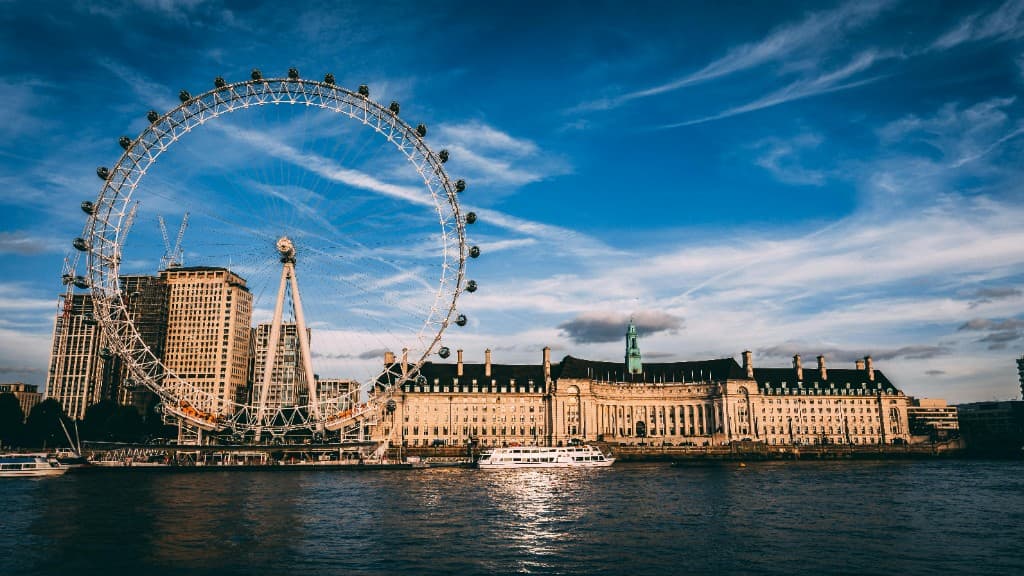
Structural reasons Turkish and international HNWIs still treat London prime residential as a core safe-haven allocation — updated for 2026.
Introduction
London is one of the few cities in the world seen as a "safe haven". Economic swings, political change, global crises — whatever happens, London's property market has moved upward in the long term. The reason is not just prestige; there are deeper, structural factors.
This article mirrors the long-form narrative previously shown on our main site under "Property investment in London — why does it make sense?".
1. Supply scarcity: building new housing in London is almost impossible
- Around 70% of the city has conservation area status.
- In Zone 1 and Zone 2 there is almost no land for new build.
- Planning permission is one of the toughest processes in the world.
What does this mean? Supply does not increase → demand keeps rising → prices rise in the long term.
2. Demand comes from everywhere in the world
London is not just where the British live; it is a global capital magnet.
Demand sources:
- International investors
- Global corporate employees
- Students (world's top universities)
- Diplomatic missions
- Finance, legal and tech professionals
This diversity makes the market resilient to crises.
3. London economy: world capital of finance and professional services
- Headquarters of 250+ banks
- 600+ hedge funds
- Europe's largest tech ecosystem
- Global hub for law, consulting, insurance and finance
These sectors attract high-income professionals → strong rents, low vacancy.
4. The long-term strength of sterling
Sterling has reserve currency status. For the foreign investor, London means both asset protection and currency safety.
5. Rental demand is always high
In London:
- Population is growing
- Homeownership is falling
- Tenant profile is strengthening
For the investor this means:
- Constant demand
- High rental multiples
- Fast letting
6. London's future: mega projects and transport revolution
Projects that have transformed London in the last 10 years:
- Crossrail (Elizabeth Line) → triggered value growth
- Battersea Power Station conversion
- King's Cross Tech Hub
- Nine Elms – Vauxhall corridor
These projects are structural investments that push the city's value up in the long term.
7. London's historical value growth
Over the last 40 years London house prices had short corrections in crises but reached a higher level in each cycle. This shows London is a "long-term appreciation" city, not "mean reversion".
8. London property: one of the world's most liquid markets
In London a property always has a buyer, always has a tenant, and finance is always available. This liquidity is a risk-reducing factor for the investor.
9. The profile of London residents: the engine that keeps demand going
- High-income professionals
- International students
- Diplomatic missions
- Global corporate employees
- Creative sectors
- Tech entrepreneurs
This demographic keeps the premium, mid and short-let markets alive.
10. London's global status: "safe haven city"
Only a few cities in the world fit this category: London, New York, Singapore, Hong Kong (formerly). In these cities property is not just housing; it is a capital preservation tool.
Conclusion: why does property investment in London make sense?
- Supply scarcity
- Constantly rising demand
- Global capital flows
- Strong rental market
- Historical value growth
- Liquidity
- Economic diversity
- Transport and infrastructure investment
- Safe haven effect
London offers the investor a market with minimised risk, strong long-term appreciation, liquidity and prestige.